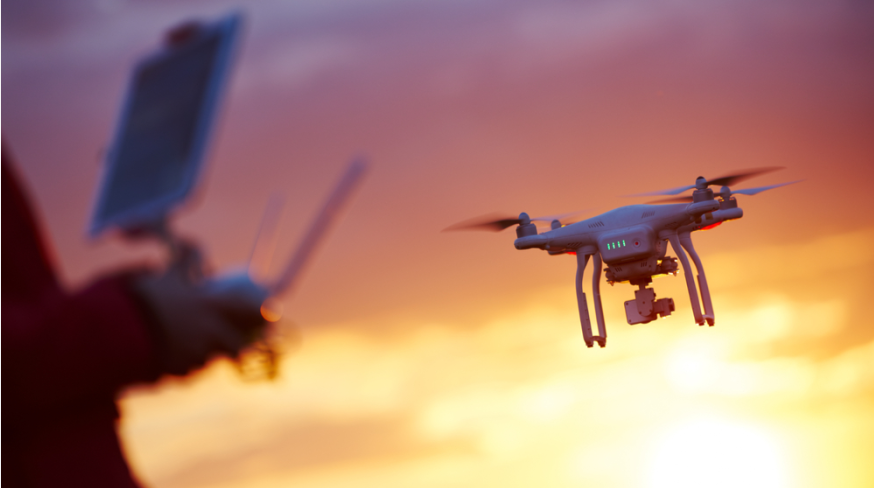
As a joke, I put "get my drone license" on my 2026 BINGO Card.
I'd heard of other local creatives get a drone and use it for projects ranging from sports, nature, and car racing. Approximately 2 days after adding that goal, I found that Nebraska's Innovation Studio hosts monthly FAA Part 107 training courses. The first one was January 8-9 and worked great with my work schedule; I'd also accomplish my first BINGO goal of 2026 early on (and isn't that satisfying?). I spoke to my dad, a friend who makes drones, and a professional about their thoughts and advice. Ultimately, it felt like the right time to learn this now before Part 108 is released, and why not me?
So on a (kinda) whim, I registered for the class on a Saturday night while at the bouldering gym. Now I had to go--no way to back out now. I was excited and more curious to see what they teach people. Anyone can get a drone off the internet and fly it, but what are the air space laws? How does this interfere with pilots? Are they even safe?
To prepare even more, the FAA has an online practice exam; only 30 questions compared to the 65 on the actual exam. Shockingly--not knowing anything about charts and drone practice--I got a passing grade before even learning anything. This may have made me over-confident going into the class, but I was ready to learn and succeed in this new endeavor.
For two days, me and 11 men sat in a classroom learning and talking about drones. Their physics, RPIC (remote person in control) checklists, air space laws, case studies, map reading, weather radars, and just about everything pertaining to operating a drone today. It felt crazy that I was able to read the complex-looking weather METARs that run hourly, and the maps that indicate air space categories. I felt like I had access to secret knowledge.
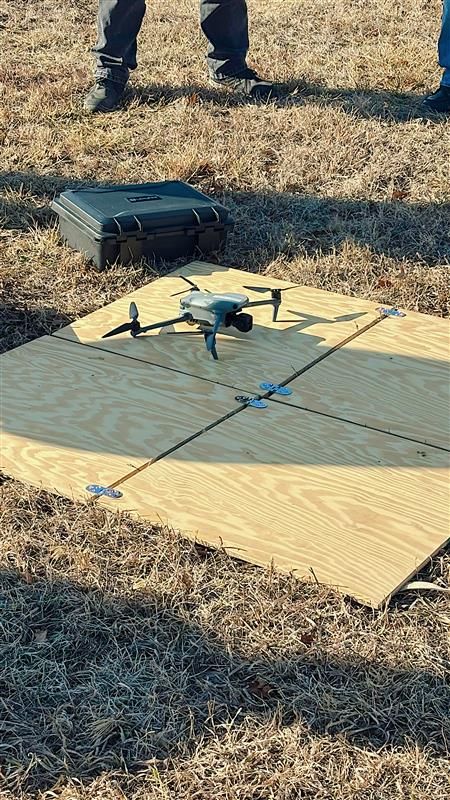
While our first day of the course was cold and rainy, we did get to practice flying drones the second day. I chose the DJI Mini Pro 4, and was shocked by how smooth the camera was. As someone who didn't grow up playing videogames, I'm not a pro at operating a joystick or remote control (similar to Xbox or PS4). You couldn't tell on the camera that I was jerky while flying. It was so much fun to see everyone practice and what's possible with the machines. It made me want to buy a $1000 drone (one day...).
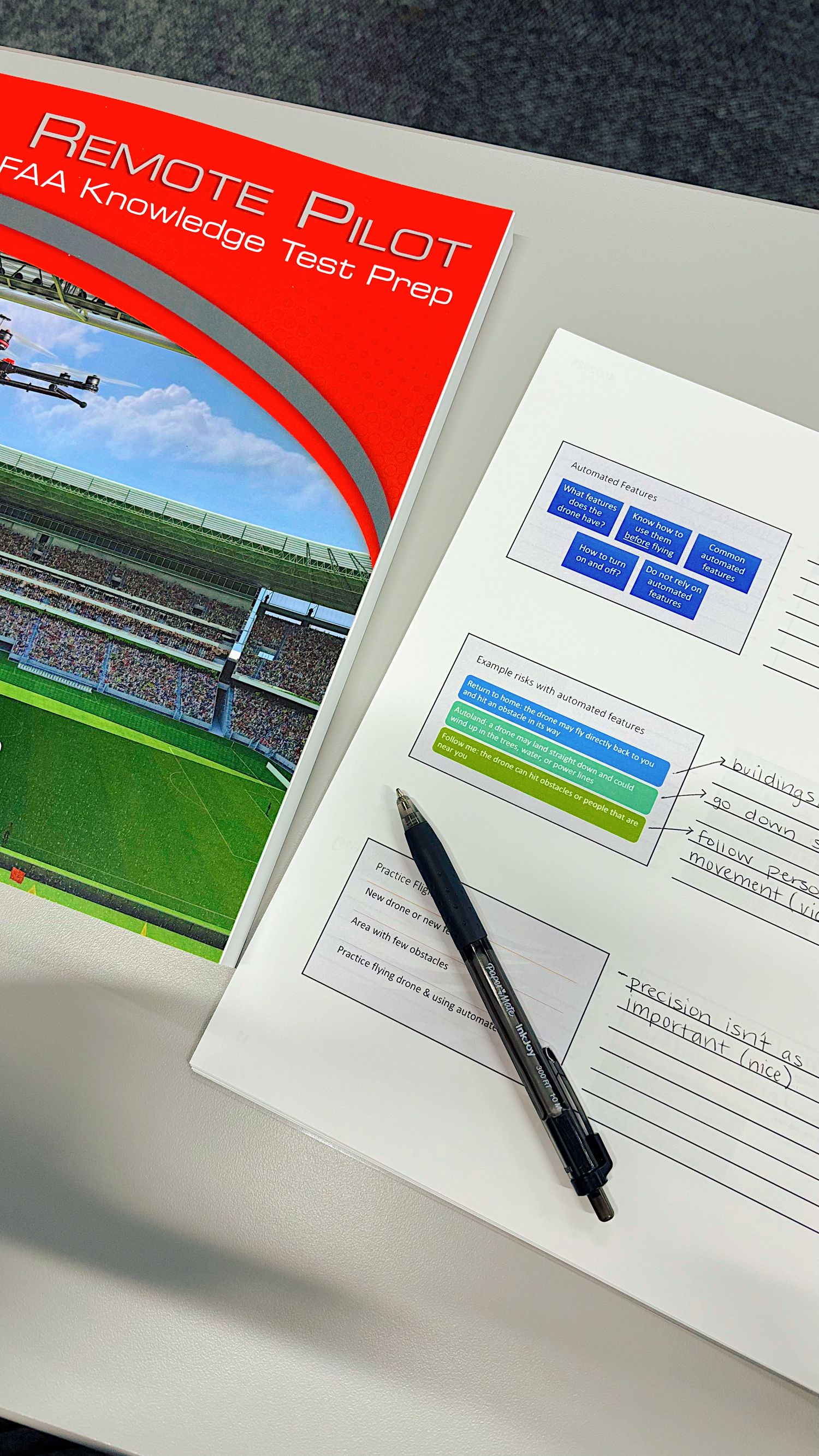
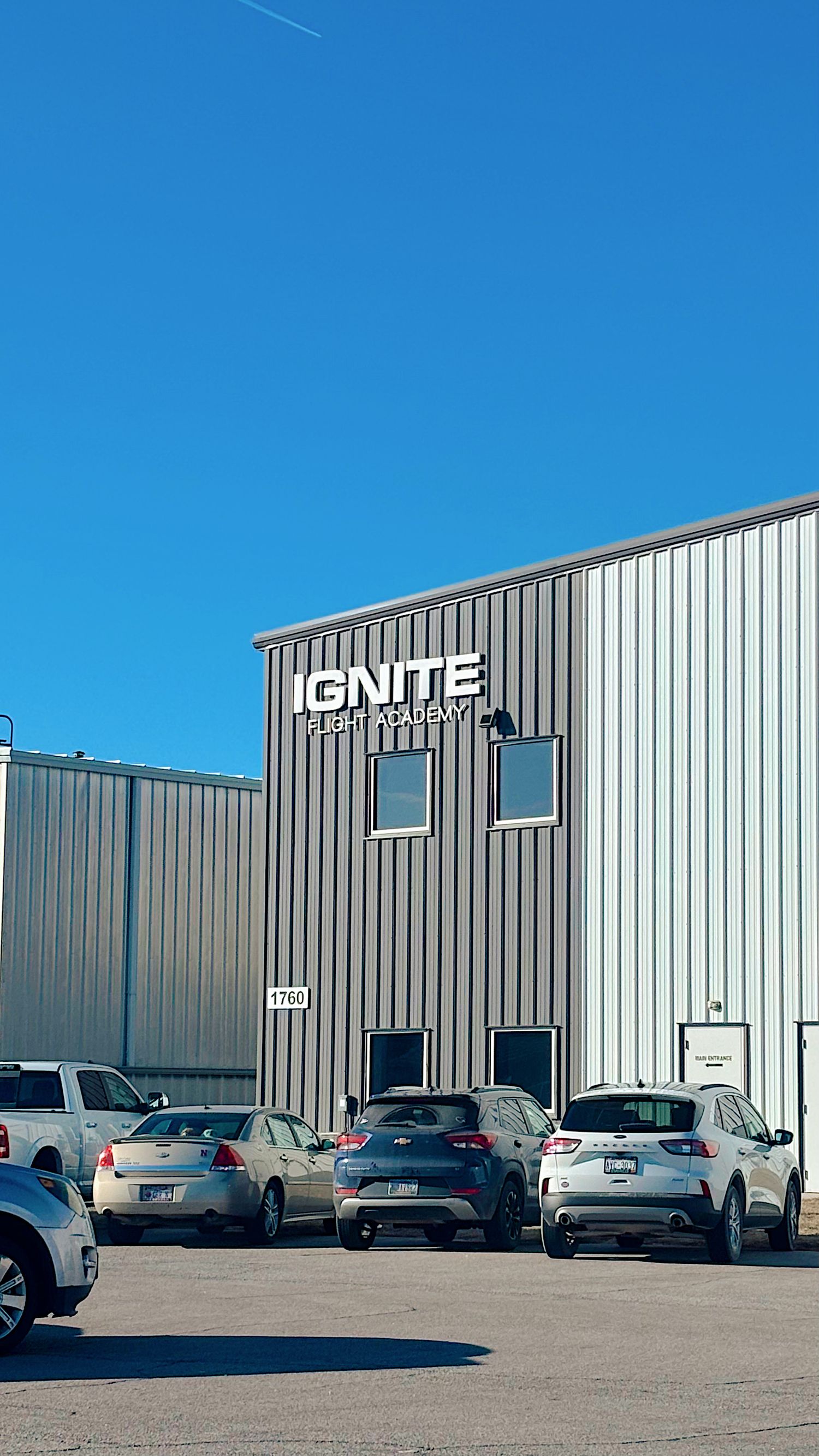
The next step sounds pretty straightforward: register and take the Part 107 exam. But in reality, there's registration with IACRA (the FAA version of the DMV). It can definitely look confusing, especially when you realize this is a government organization and everything is pretty... official. But fear not, I got my stuff submitted and found the closest FAA testing facility near me (Ignite Flight Academy, you're very cool).
The night before my exam, I watched a 90-minute YouTube video that essentially went over the materials from the course and what would be on the exam. A beginners/basic guide if you will. This one from Matt Kendall is really good, as well as this one from Tony & Chelsea Northrup. They were both good refreshers on the basic information that you'll need to know, and I was able to quiz myself on real practice questions.
Day of the exam I had more excitement than nerves, mainly because it felt like a low-consequence test for me. I could always take it again, but I felt confident in my learning over the last two weeks. The testing facility is similar to the SAT or ACT: no phones or smart devices, no materials brought inside, computer testing program. And the people administering the test were nice too.
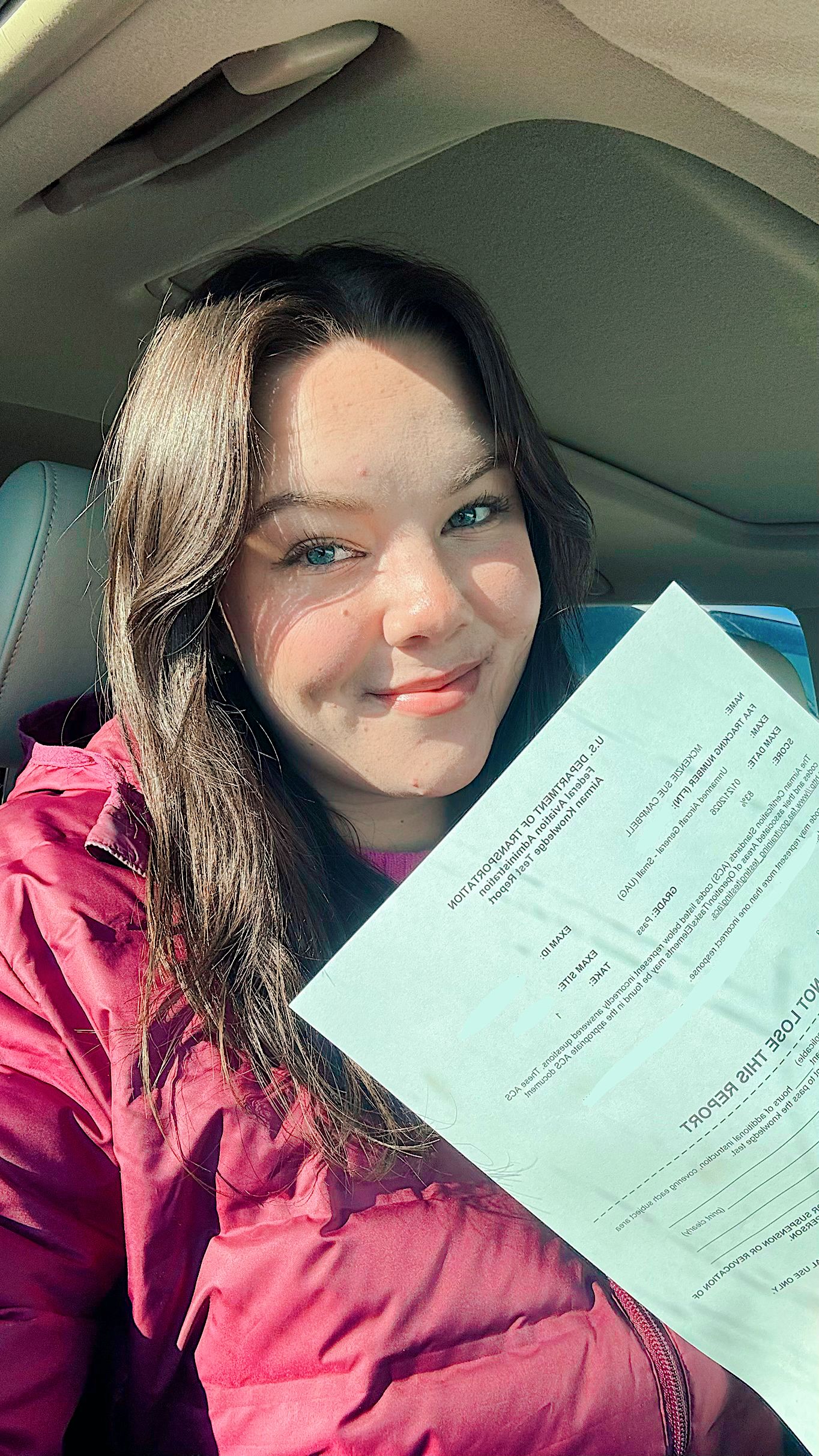
All in all, it took me 1 hour to answer and review all 65 questions. Some of them had me nervous that I didn't know what was going on. I doubted myself for like 15 minutes, but realized that I studied and learned the best I could. And you never know... I could be right when I felt like I wasn't. Once finished, I walked back to the lobby (full of nerves) for my printed results. It had gotten busy, and I felt like I was waiting around for them to tell me I failed. Reminder: you need a 70% to pass. Once they finally got to me, they handed my results, and a second sheet of paper. She said "those are your instructions for obtaining your license online" and I nearly jumped for joy in front of these actual airplane pilots.
I passed. 83%.
I called my dad to share my excitement, texted my friends, and posted about it on social media. Because I was proud. This was something that only a small group of people had interest in, let alone took action on. And now I have this cool certificate/license for my resume, and can gain more photo/video projects because I took a leap to learn about the evolving science of flying drones.
So, what now? Wait for my official FAA license to come in the mail, add this to my resume, and apply for jobs with drone operator as a requirement. This is seriously one of the cooler things I've done in my adult life (and honestly a cool flex).